
DEVELOPMENT INITIATIVES
Building resilience in local communities through capacity building and sustainable development.
Community capacity building
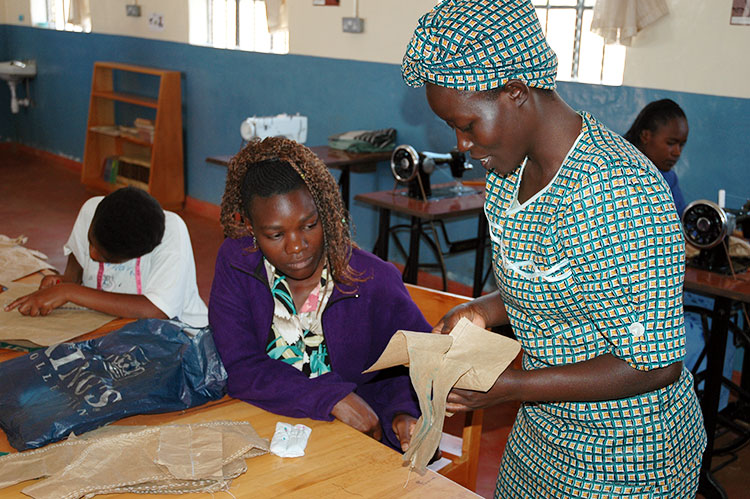
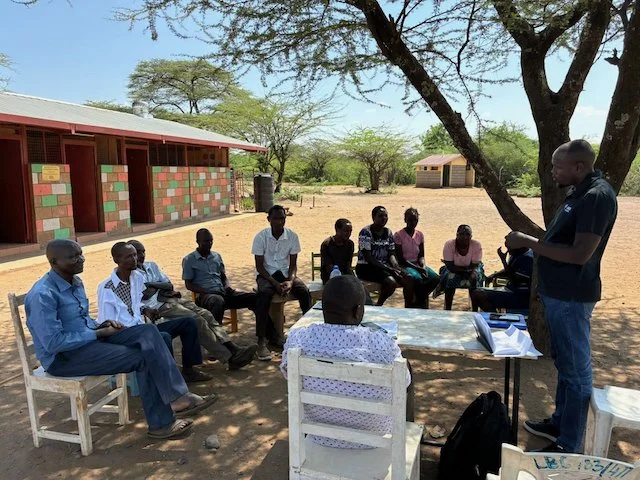
The engines for growth in our project areas are undoubtedly community committees. Our staff have years of experience facilitating the formation and growth of these groups that manage and sustain projects that belong to them. Comprised of parents, teachers, local elders, pastoral workers and area local administration, diversity in leadership is encouraged. Through consistent monitoring, evaluation and learning, communities are organized to identify problem areas and growth opportunities, gaining greater control in marginalized environments.
As communities experience success with one initiative, they are empowered to engage new initiatives on their own which reduces the likelihood of undue dependency on outside sources. Resilient communities are more stable and less vulnerable to calamity.
Sustainable development
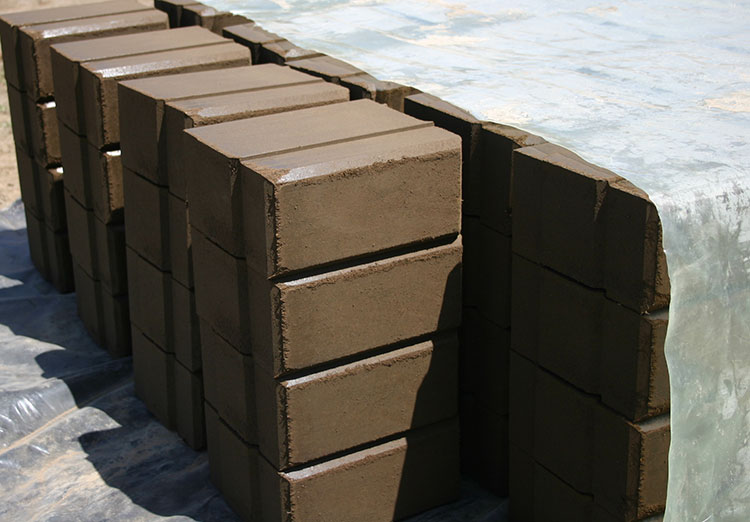
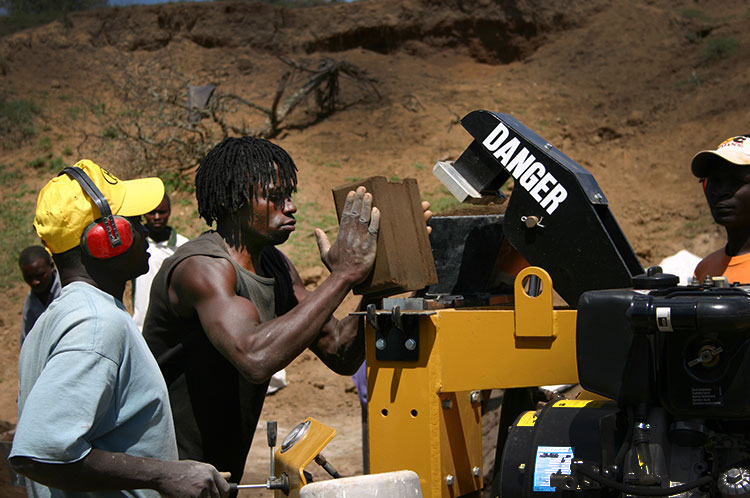
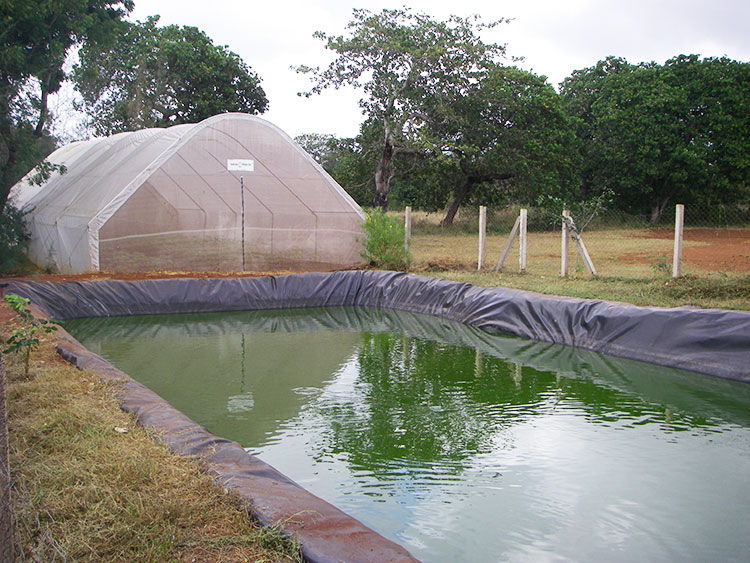
The success of our projects and programs ultimately depends on the sustainability of efforts over the long term. Sustainability cannot be built in at the last minute but must be carefully developed and fostered from project inception. This includes being selective about which technologies are utilized to solve local problems that require such solutions.
In terms of the larger global sustainability picture, we align our efforts with a particular set of the UN Sustainable Development Goals, those having most to do with concerns related to children under that age of 6 and their families.
Poverty reduction
Through community organization, education, access to basic amenities, and alternative income generation activities, we seek to reduce vulnerability in families

School Feeding Programs
Eliminating chronic hunger and malnutrition in children under age 6 as a means for healthy development and increased resilience of the next generation
Basic Health
Support for deworming, micro nutrient provision and malaria prevention through LLIN (net) distribution to households with children under 6
Integrated early childhood development
Provision of infrastructure and materials necessary for early childhood eduction in communities in marginalized areas who lack usual access to schools

Girl child education
Insuring that girls have equal access to early childhood education and the opportunity to pursue subsequent eduction through the secondary or tertiary levels
WATER PROVISION
Potable water access for children and communities through rainwater collection, protection of springs, or solar powered boreholes
Environmental stewardship
Preservation of local environments through the promotion of sustainable and appropriate technologies and environmental education activities
Trees for life
Facilitating stablization and protection of soils through the planting of indigenous trees, reclamation of grasslands and general biodiversity preservation